



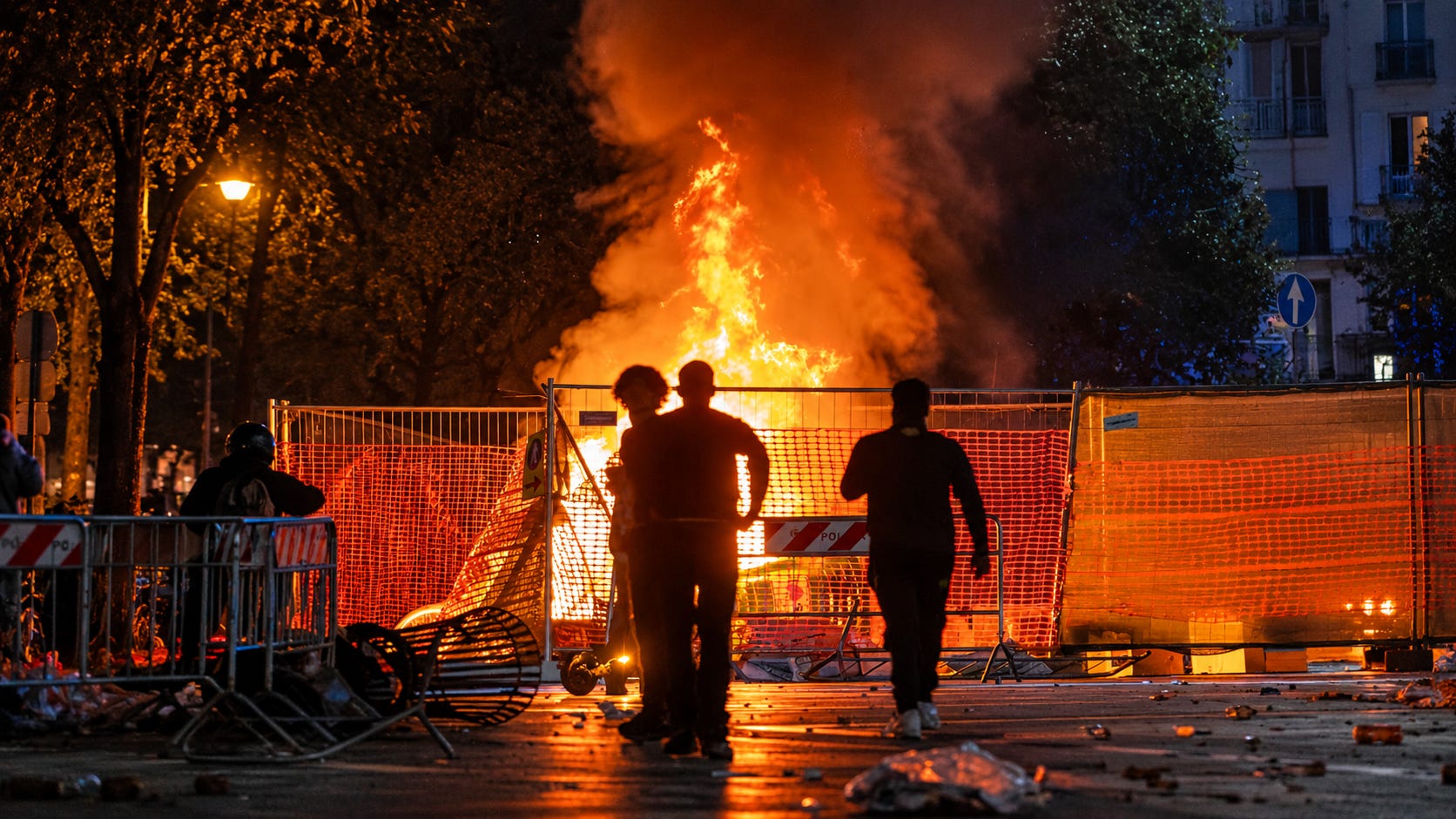
The first time I visited, Paris was not itself.
I visited for the Olympics, and no city hosting the Olympics can allow visitors and sight of its real nature. The streets must be sanitised, both literally and figuratively. I’d been told that Paris was a dirty city, but the streets were remarkably clean: the gravel paths around Les Invalides were almost snow-white, and crunched so crisply underfoot it was almost as if the street cleaners had dipped, scrubbed and reinserted the audio.
This cleanup was essential for the hordes of tourist that accompany every Olympics: a curious mix of IOC invitees moving effortlessly between the Koolhaasian junkspaces of the VIP sections and the backseats of Mercedes, niche sport superfans and the invariably obese who, judging by the age of their t-shirts and proliferation of pins, visit every Olympics.
Paris’s streets had also been cleaned of human debris. Weeks before the Opening Ceremony residents had started to leave, effectively turfed out of their own homes on early holiday by security measures and restrictions on public transport. Some were literally turfed out of the city; buses were laid on for the homeless, many of them migrants, to take them on a one-way journey to cities hundreds of miles away like Besançon, Bordeaux or Marseille.
But one thing could not be sanitised. Five years before Notre Dame had burned, and it had not been repaired in time. Standing at the steps, there was a sense of something far more palpable, more pervasive, more powerful than mere decline. It came to me clearly, unmistakably, like a bell ringing in an empty sky.
Seeing the scenes across France, I was reminded of that feeling.